Bag or pouch batches
Dispense a confirmed component count to an open bag, premade pouch or downstream bagging machine.
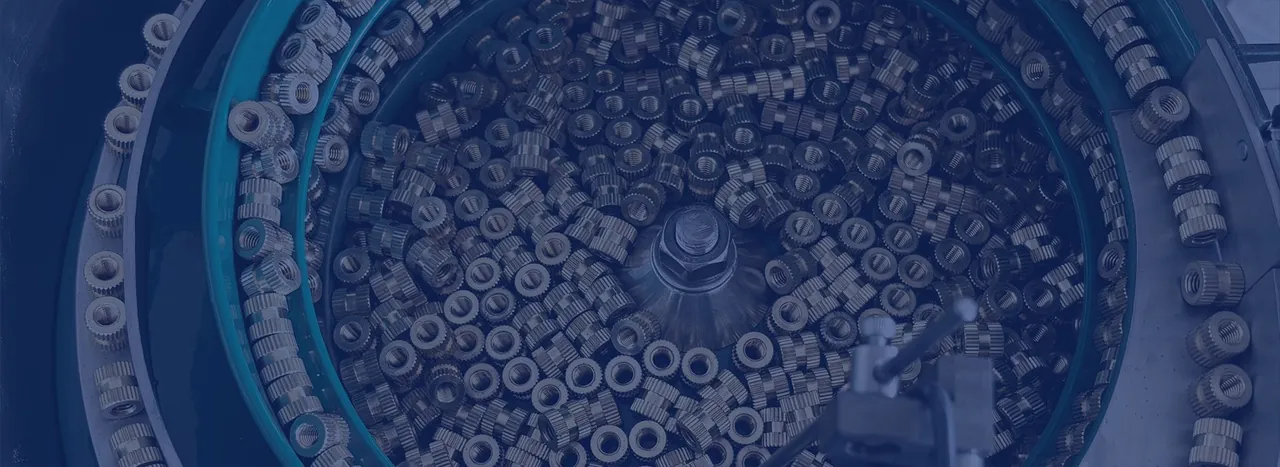
COUNTING & KITTING
Complete systems for separating, inspecting, counting and dispensing parts into bags, boxes, kits or automated assembly processes.
CONTROLLED BATCH RELEASE
A counter cannot distinguish a correct part from an overlap, bounce, cluster or rejected component unless the feed path creates a stable detection event and tracks the accepted discharge.
The complete system therefore controls product depth, orientation where needed, singulation, sensing, reject handling, buffer behaviour and the final gate or container change. For kits, the controller also manages recipe quantities and completion across several component streams.
OUTPUT FORMATS
Counting is integrated around the container, kit, station and traceability requirement—not treated as an isolated display.
Dispense a confirmed component count to an open bag, premade pouch or downstream bagging machine.
Fill a defined batch into boxes with container-present checks and changeover control.
Coordinate several feeders and recipes to create a complete kit with confirmation of every quantity.
Release one or a defined quantity when the automated station requests parts.
Separate unverified parts, incomplete kits or interrupted batches into a controlled recovery route.
Capture recipe, batch result, alarms and selected count data where the project requires it.
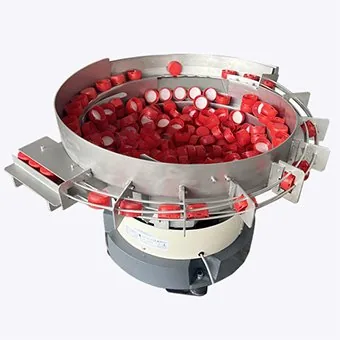
COUNT INTEGRITY
Sensor type, sight line, part spacing, speed and discharge tracking are selected around the component. The count should increment only when the defined accepted event occurs.
PROJECT ASSESSMENT
We will help define the right starting architecture, the evidence needed for selection and the interfaces that belong in the project scope.